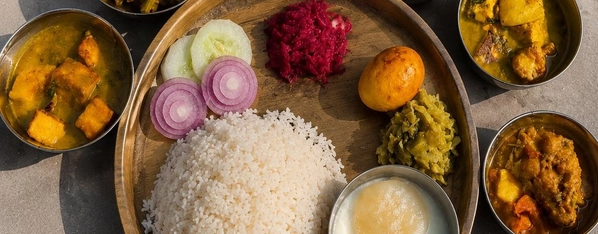
1. Assamese Thali
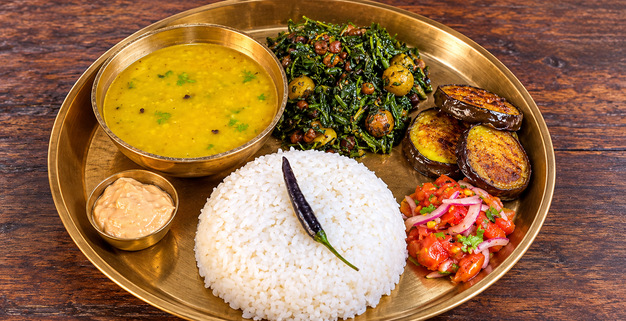
An Assamese thali is one of the easiest ways to enjoy several local dishes in a single meal. The items served in a thali vary by restaurant and season.
These are the main Assamese food options from the original page that are most useful for a first-time visitor.
| Dish or food type | Main characteristics | Suitable for |
|---|---|---|
| Assamese thali | Rice with several vegetables, dal, fish or meat preparations | Visitors wanting a complete regional meal |
| Khar | A traditional alkaline preparation made in different forms | Travellers interested in distinctive Assamese flavours |
| Masor tenga | Light, sour fish curry served with rice | Fish eaters |
| Pitha | Rice-based sweet or savoury preparation | Breakfast, tea or festive food |
| Assam tea | Black, milk, lemon, or other tea preparations | Most visitors |
The dishes available around Kaziranga can vary by restaurant and season. Visitors may find rice-based meals, fish, vegetables, khar, pitika, pitha, jolpan and Assam tea in hotels, restaurants and local cafés.
An Assamese thali is one of the easiest ways to enjoy several local dishes in a single meal. The items served in a thali vary by restaurant and season.
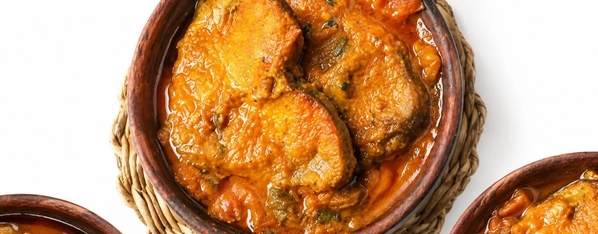
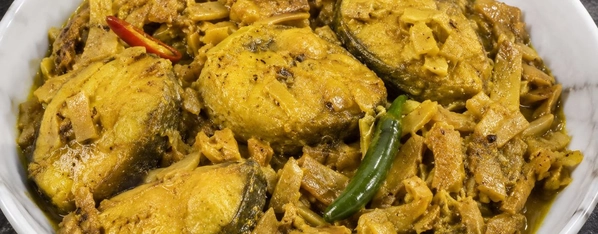
Masor tenga is an Assamese dish made out of fish and has a light and sour flavor. It is served with steamed rice.
Depending on the recipe, the sour flavour may come from tomatoes, lemons, elephant apple, or other locally available ingredients.
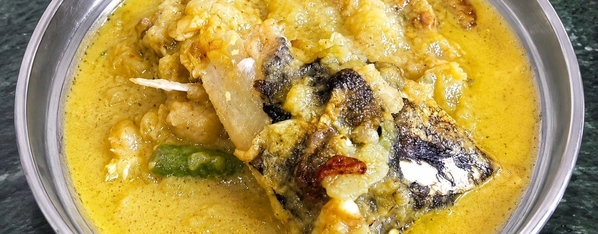
Khar is one of the most recognised categories of traditional Assamese food. It is prepared using a special alkaline ingredient that is traditionally made from plant material such as dried banana peel.
Different restaurants may prepare khar with vegetables, pulses, or other ingredients, so recipes are not always the same.
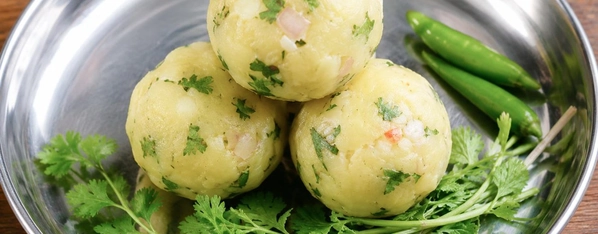
Aloo pitika is a simple Assamese side dish made by mashing boiled potatoes with ingredients such as mustard oil, onion, green chilli, coriander, and salt.
It is commonly served with rice and dal, although recipes can vary between homes and restaurants.
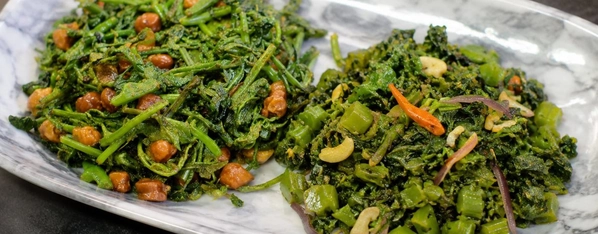
Xaak is a general term used for leafy green vegetables in Assamese cuisine. Restaurants may also serve seasonal vegetables prepared by boiling, stir frying, or using other simple cooking methods.
Many of these dishes are suitable for vegetarian visitors, but some recipes may include fish, dried fish, meat stock, or fermented ingredients.
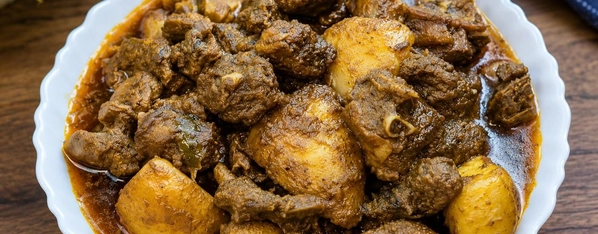
Duck plays an important role in a variety of Assamese meat recipes. The duck can be cooked with vegetables, lentils, sesame, or any other local ingredients depending upon the recipe.
The way in which it can be cooked, the spices used, or the proportion of bone in the dish may vary significantly.
Bamboo shoot is used in different forms across Assamese cooking. It may be served fresh, dried, pickled, or fermented.
In Assam, fermented bamboo shoot is commonly called khorisa and is known for its strong smell and distinctive flavour.
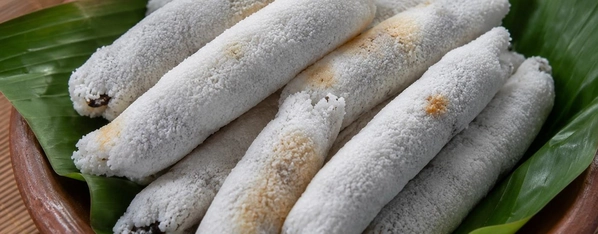
Pitha is the name given to many traditional rice based preparations found in Assam. Some varieties are steamed, while others are roasted, pan cooked, or fried.
Jolpan is a traditional Assamese light meal or refreshment that is often enjoyed for breakfast or during festivals and social gatherings.
Not every hotel serves jolpan as part of its regular breakfast menu, so visitors who wish to try a traditional Assamese breakfast should ask about availability in advance.
Assam tea is easily available in hotels, cafés, restaurants, tea stalls, and retail shops around Kaziranga.
Bhut Jolokia, also referred to as ghost pepper, is an exceptionally spicy chilli that is very much associated with Northeast India.
The use of Bhut Jolokia can be in the form of chutney, pickles, and selective foods. It is always best to find out about the amount of chilli included in your order because it might be very spicy.
It is not advisable to consume an entire chilli pepper or engage in extremely spicy food contests.
Vegetarian visitors can usually find rice, dal, xaak, seasonal vegetables, pitika, khar, pitha, chutneys, and other regional dishes around Kaziranga.
If you need a fully vegetarian meal, explain your requirements before ordering.
The name of a vegetable dish does not always mean it is completely vegetarian. Some recipes may include fish, dried fish, meat stock, or may be prepared in shared cooking oil.
Many visitors begin their gypsy or elephant safari early in the morning, which often means leaving the hotel before the usual breakfast time.
During check in, ask the hotel whether they can provide an early breakfast, packed meal, or breakfast after you return from the safari.
Possible arrangements may include tea or coffee before departure, breakfast after returning from the safari, an early breakfast at a fixed time, or a packed meal where available and permitted.
Many hotels and wildlife resorts serve Assamese dishes along with Indian favourites.
Kohora is one of the main tourism areas near the Central Range of Kaziranga. Visitors can find restaurants, cafés, tea stalls, hotels, and small local eateries in and around this area.
Bokakhat is a larger town located close to Kaziranga and offers more restaurants, markets, and shopping options.
Not every restaurant in Kohora specialises in traditional Assamese food, so it is helpful to check the menu before deciding where to eat.
The supplied template refers to Kohora near the Central Range and to Bokakhat as a nearby town, but it does not give a full location statement.
The template presents Kaziranga as a wildlife and safari destination and also highlights regional experiences such as Assamese food and local culture.
The supplied template does not provide UNESCO status information.
The supplied template does not provide a specific best-time recommendation. Check current park conditions and tourism information before travelling.
The supplied template does not provide the park's current tourist opening dates. Confirm the latest operating schedule before planning your visit.
The template notes that availability can vary by season and local conditions. Check current park information before travelling during the monsoon period.