
Greater One-Horned Rhinoceros
The park is best known for the greater one-horned rhinoceros, supported by its grassland and wetland habitat.
Kaziranga National Park in Assam is one of India's most celebrated wildlife destinations, known for the greater one-horned rhinoceros and a landscape of grasslands, wetlands, forests and riverine habitats.
Keep booking-related actions separate from the informational content so visitors can quickly move to the service they need.
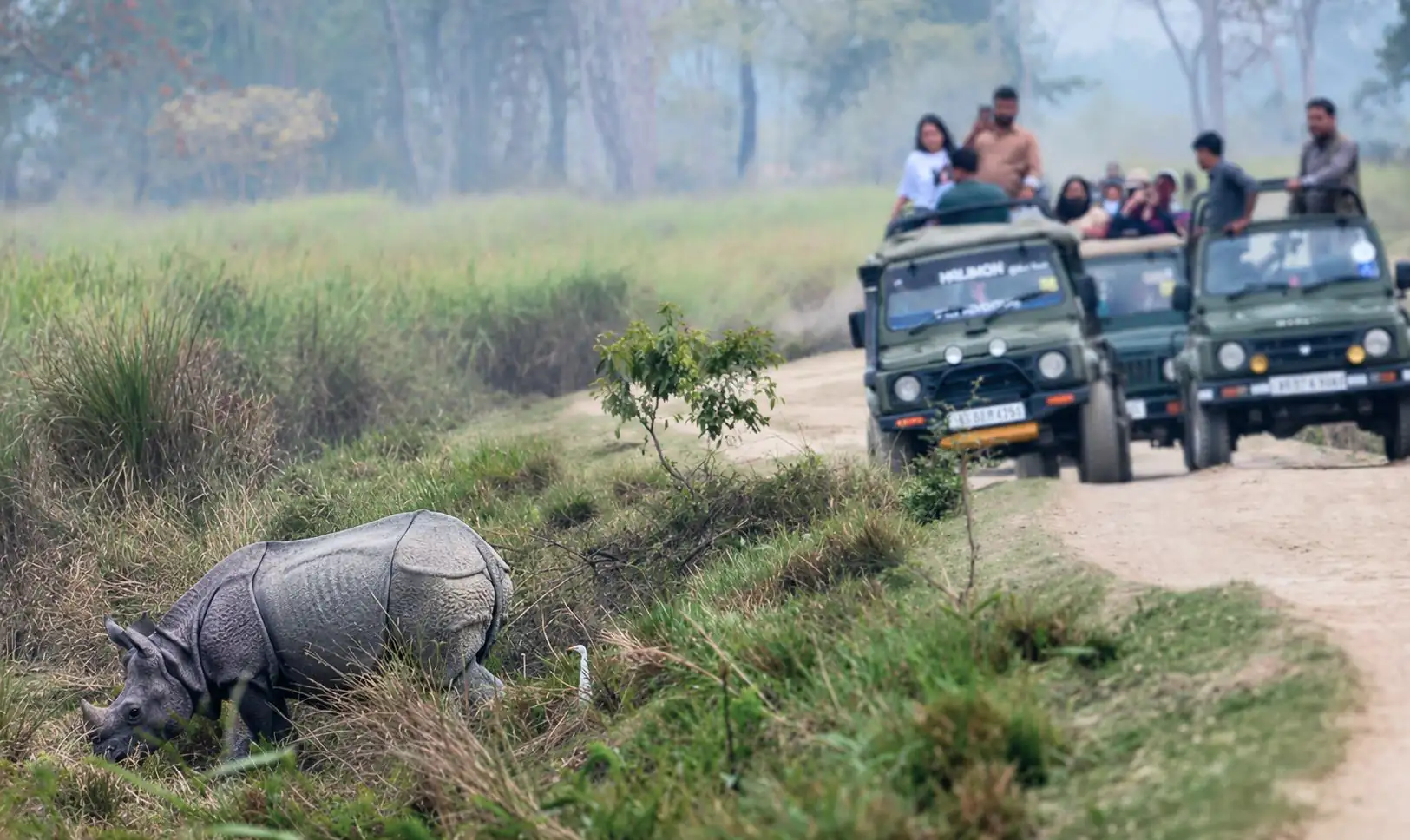
Explore designated tourism ranges by open jeep, subject to availability and forest conditions.
View Details →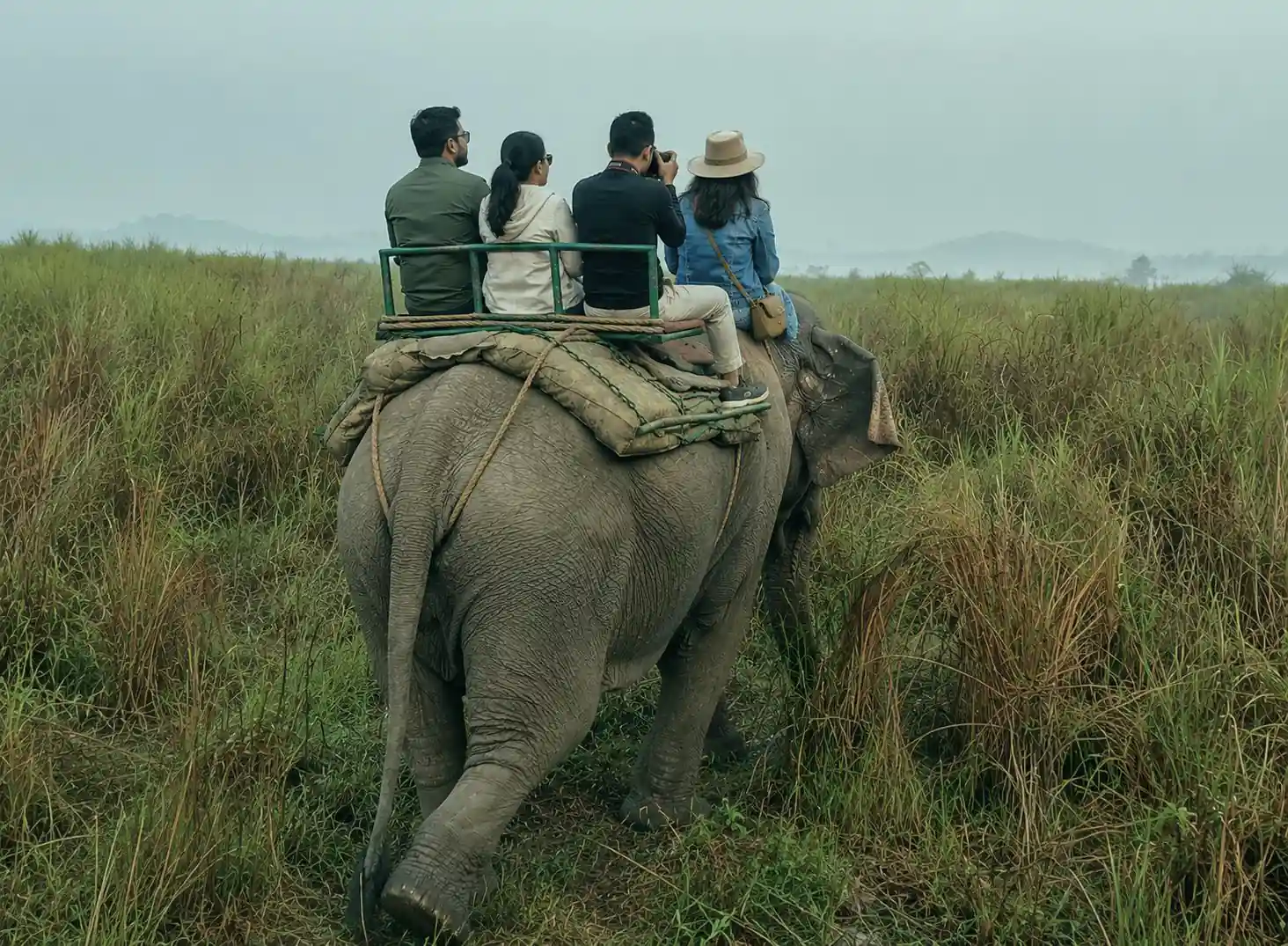
Check seasonal elephant safari options, reporting information and limited-seat availability.
View Details →.webp)
Compare practical stay options near popular entry areas for easier early-morning safari access.
Find Hotels →
Choose short or multi-day Kaziranga plans with safari, stay and local sightseeing options.
View Packages →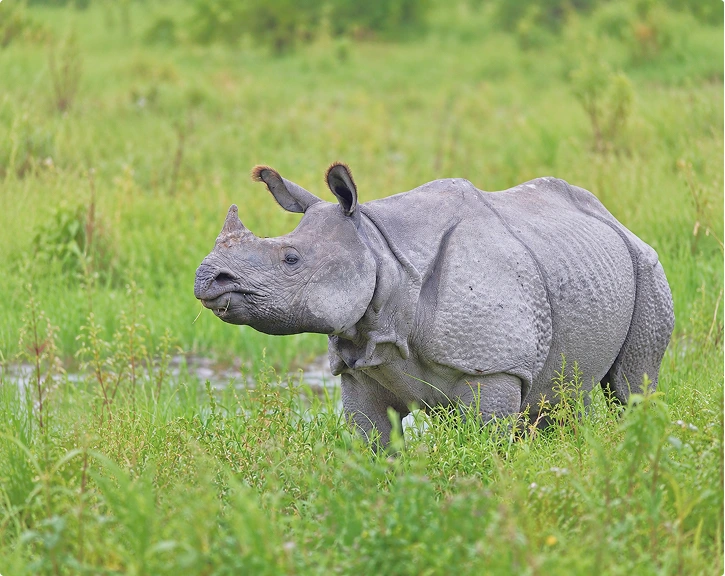
Kaziranga stands out because its wildlife and habitats are experienced together - open grassland, wetlands, forest edges and river landscapes all shape a different safari each time.
The park is best known for the greater one-horned rhinoceros, supported by its grassland and wetland habitat.
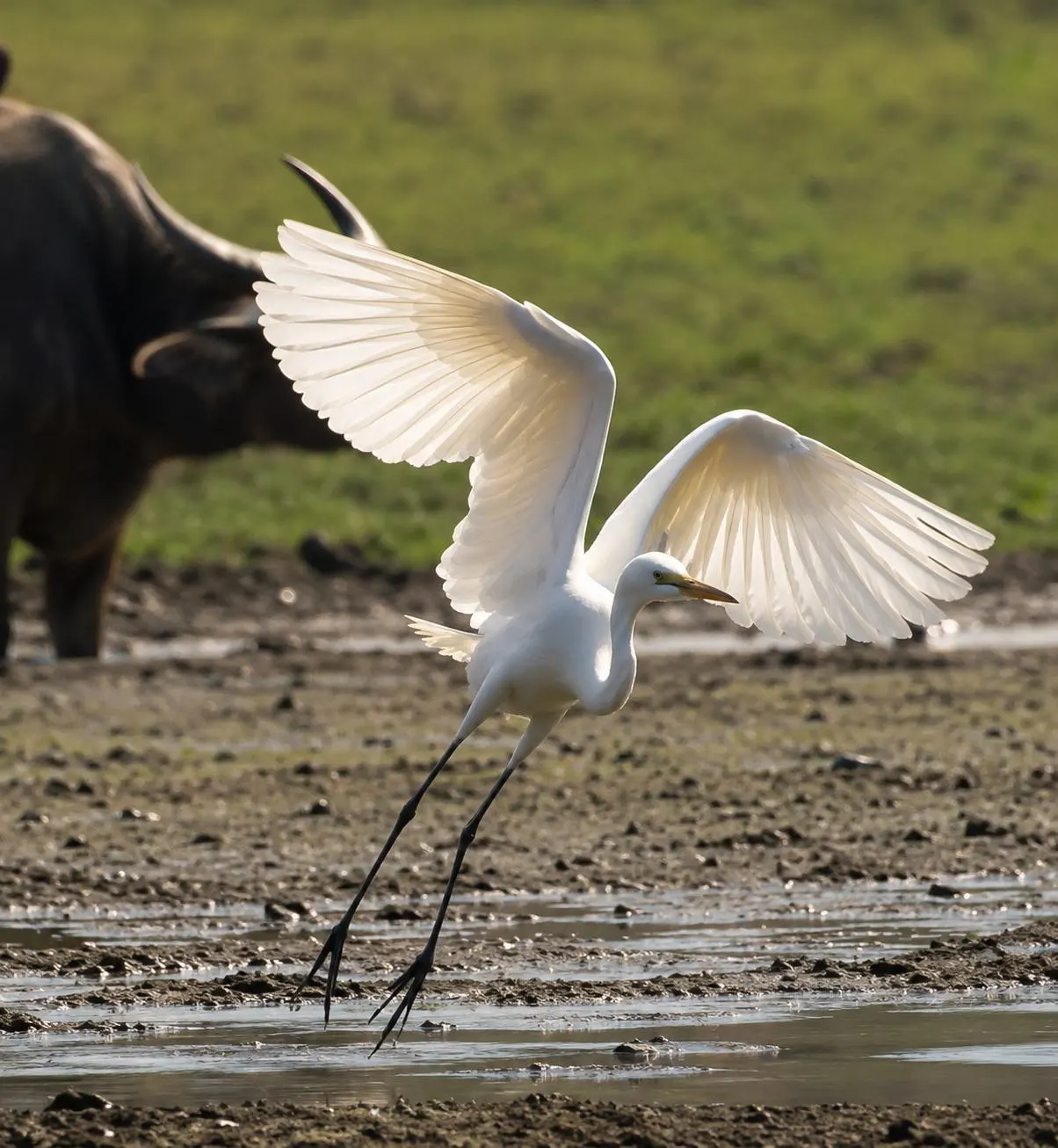
Grasslands, wetlands, woodland and riverine areas support varied wildlife and birdlife across the park.
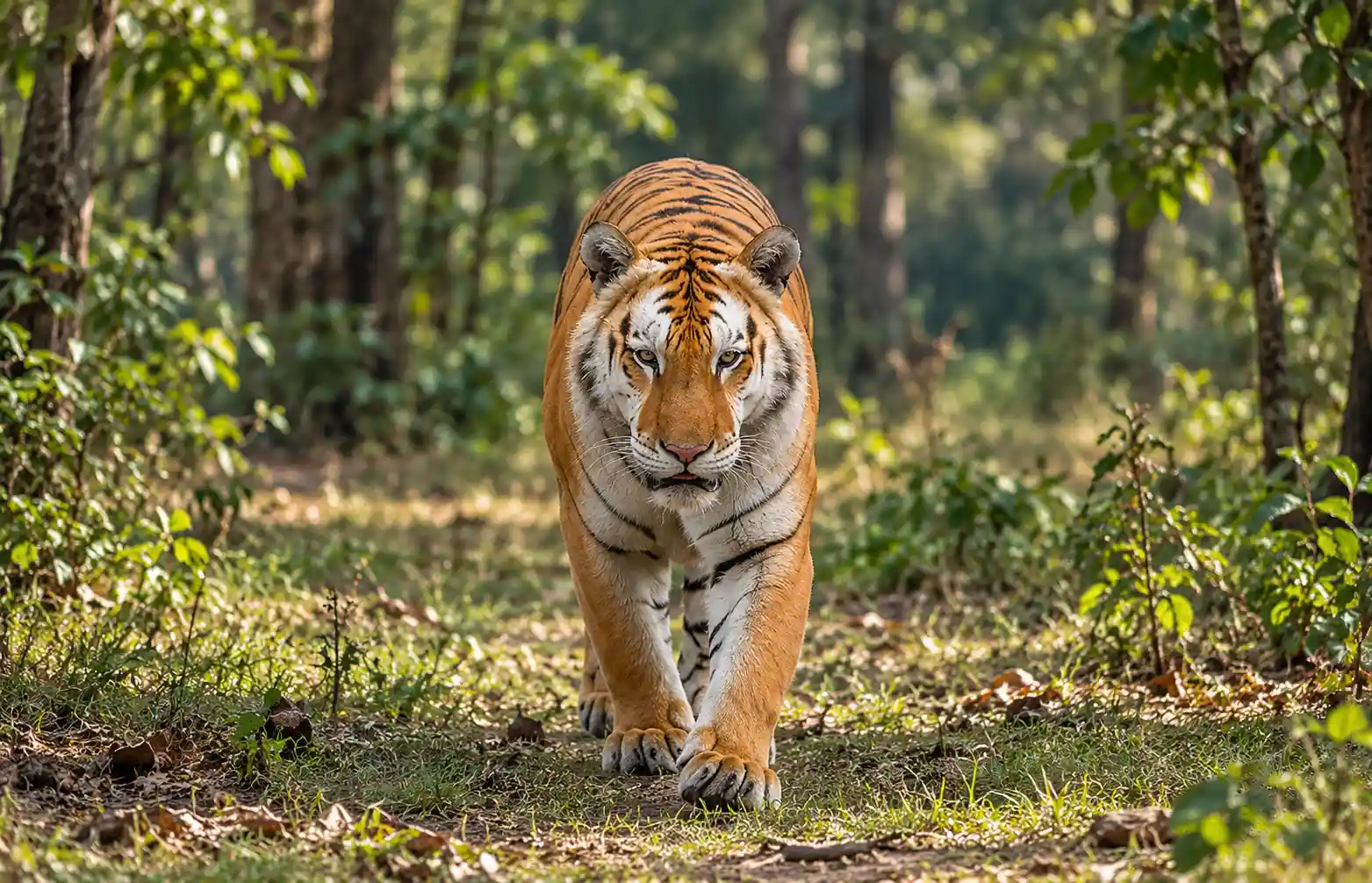
Elephants, wild water buffalo, swamp deer, hog deer, wild boar, birds and predators form part of the wider ecosystem.
Kaziranga is globally recognised for conservation, and visitors are expected to follow forest rules and responsible tourism practices.
For most first-time visitors, two to three days gives a better balance between safari time and a relaxed travel schedule.
Best for a short stop. Usually suitable for one safari and limited nearby sightseeing. Avoid combining a long Guwahati road journey, safari and return on the same day.
A practical choice for most first-time visitors. It gives room for more than one safari or different tourism ranges, depending on availability.
Better for multiple safaris, photography, birdwatching, local food, tea gardens and nearby attractions without rushing the itinerary.
Wildlife moves freely in the forest, so no sighting can be guaranteed. What you see can vary with the season, route, weather and safari timing.
.webp)
Kaziranga's conservation story began with early protection efforts in the 20th century. Over time, the protected area was strengthened and expanded to safeguard its wildlife and floodplain ecosystem.
It became a National Park in 1974 and was recognised as a UNESCO World Heritage Site in 1985. Today, Kaziranga remains one of India's most important protected landscapes for the greater one-horned rhinoceros and many other species.
Find helpful answers about safari booking, wildlife, seasons, accommodation, travel routes and planning your Kaziranga trip.
Kaziranga National Park is in Assam, India. Many visitors stay near Kohora, Bagori, or Bokakhat.
It is famous for the greater one-horned rhinoceros, rich wildlife, grasslands, wetlands, and birdlife.
Yes. It is recognized for its wildlife and conservation importance.
The cooler months are popular for wildlife trips. Check our detailed Kaziranga season guide before planning because conditions change every year.
Opening dates depend on weather, flooding, and official announcements.
Yes. Safari activities remain closed throughout the period of monsoon due to rains and floods.
Two days are enough for most visitors, while three days are better for more safaris and sightseeing.
Yes, but you may have time for only one safari and a few nearby activities.
Visitors can choose between Gypsy Safari and Elephant Safari in Kaziranga, depending on availability. See the Kaziranga safari options for details.
A gypsy safari covers a larger area, while an elephant safari is shorter and offers a different experience.
There is no single best zone. Wildlife moves freely, so choose a range based on your interests and travel plans. Visitors should compare landscapes, gate locations, and accommodation distances through our Kaziranga safari zone guide.
No. Rhinos are seen often, but no wildlife sighting is guaranteed.
Yes, but tiger sightings are rare and depend on natural animal movement.
Both offer different experiences. Morning weather is cooler, while afternoon light is good for many visitors.
Yes. Advance booking is recommended during weekends, holidays, and the busy tourist season.
The park is well connected by road. The journey will normally take about 4–5 hours, depending on the traffic. See the Guwahati to Kaziranga travel information.
Jorhat is closer, while Guwahati offers more flight options.
Many first-time visitors choose Kohora because it is close to the Central Range and has many hotels and tourist facilities. Compare options on the Kaziranga hotel page.
Yes, but safari roads can be uneven, and winter mornings may be cold. Plan according to your comfort and health.
Carry the original ID used for booking, comfortable clothes, a light jacket if needed, sunscreen, a hat, binoculars, and a camera. You should also follow the official safari rules and guidelines.